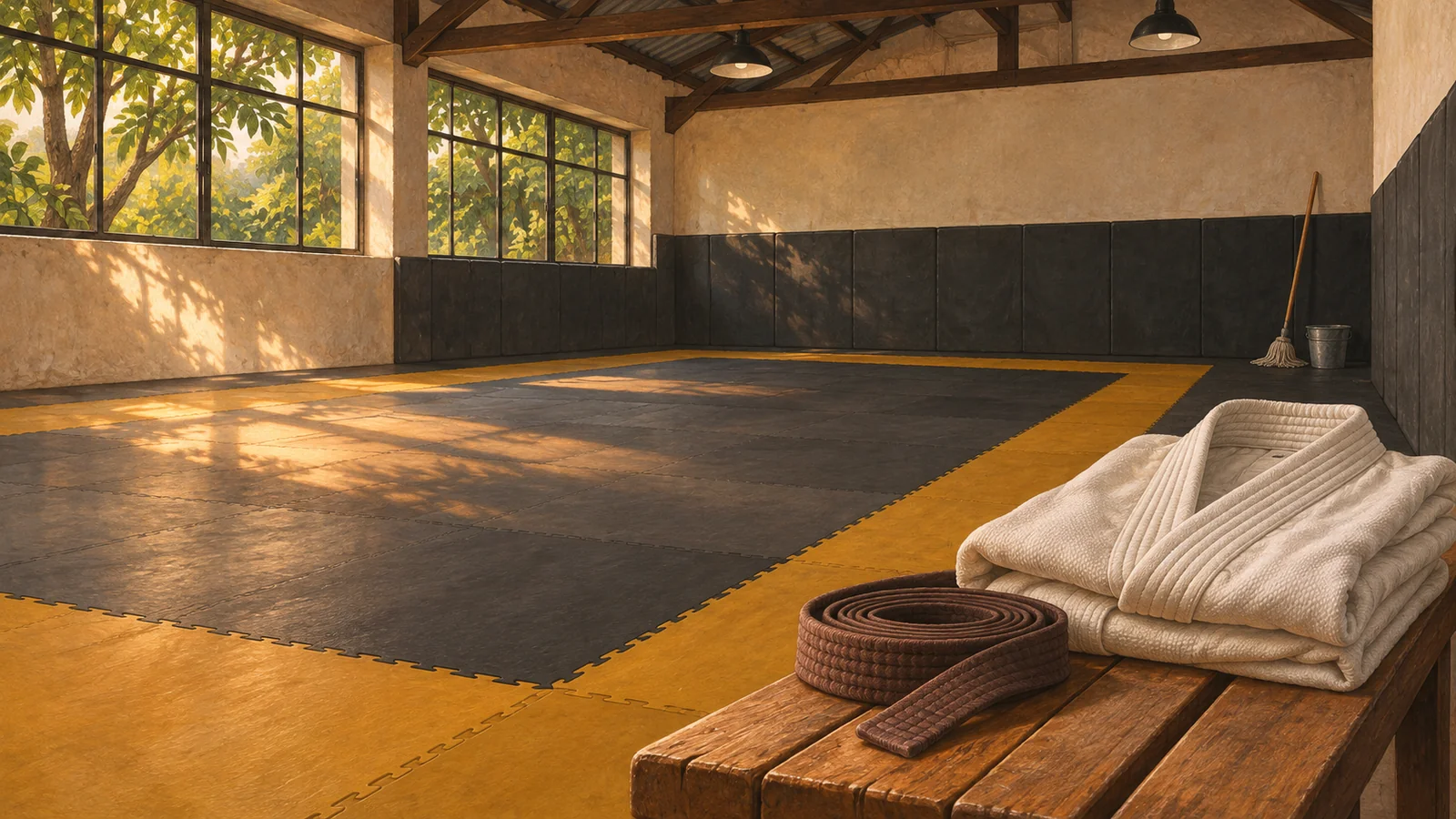
A surface everyone shares
A round of Brazilian jiu-jitsu takes your shoulders, forearms and face across the same mat as your partner. The US Centers for Disease Control and Prevention (CDC) explains that MRSA, a form of Staphylococcus aureus resistant to certain antibiotics, can spread through skin contact or contaminated surfaces. Canada's public health agency explicitly includes wrestling mats in its guidance for shared sports equipment. Cleaning the mat and taking care of personal hygiene address different opportunities for transmission.
Start with your kit bag
Pack a clean gi or clean no-gi gear for each class, and bring your own towel. The CDC advises athletes to wash their hands before and after sport, shower straight after exercise and wash and fully dry their kit and towels after each use, following the care labels. An easy way to build that habit is to empty your bag as soon as you get home and set out a fresh kit for the next session. That makes it easier to keep used clothing separate from gear that is ready to wear.
Give the mat time to dry
The club can assign someone to look after the mats between groups and allow a gap in the timetable for the surface to dry before the next class. The CDC's guidance for sports facilities calls for cleaning shared equipment after use and following the equipment maker's instructions. When a disinfectant is used, its label gives the required contact time and tells staff whether it suits the surface. Two back-to-back sessions are easier to manage when the cleaning time is already built into the schedule.
Speak up before the next round
Keep cuts and scrapes clean and covered. If a dressing comes loose, pause and tell the instructor so the club can follow its procedure. If you suspect an infection, sit out contact training and seek advice promptly from a healthcare professional. Ask the club where to leave used loaner kit or whom to tell if there is blood on the mat. Knowing that before class makes it easier to act when everyone is getting ready to roll.